
You'll Never Guess This B1 Certificate German's Benefits
페이지 정보
본문
The B1 Certificate in German: A Comprehensive Guide
The Sprachzertifikat B1 Deutsch Certificate in German is an important turning point for students who wish to show their proficiency in the German language. As part of the Common European Framework of Reference for Languages (CEFR), the B1 level reflects an intermediate understanding and capability, allowing speakers to manage daily circumstances efficiently. In this article, we will explore what the B1 Certificate entails, the benefits of getting it, the structure of the examination, preparation ideas, and frequently asked concerns.
What is the B1 Level?
The B1 level symbolizes an intermediate efficiency where speakers can:
- Understand the main points of clear basic input on familiar matters.
- Handle most situations most likely to develop while traveling in German-speaking areas.
- Produce basic connected text on subjects that recognize or of personal interest.
- Explain experiences, occasions, dreams, and ambitions, as well as briefly explain factors and viewpoints.
Advantages of Obtaining the B1 Certificate
Protecting a B1 Prüfung Wie Viel Kostet Certificate in German features various advantages, including:
| Benefit | Description |
|---|---|
| Academic Opportunities | Lots of universities need proof of German efficiency for non-native speakers. |
| Task Prospects | It improves a CV, making candidates more competitive in the job market. |
| Social Integration | It enables much better interaction in social and expert circumstances. |
| Travel Experience | A Zertifikat Deutsch B1 Telc Certificate aids in navigating every day life in German-speaking countries. |
| Even More Language Learning | It acts as a strong foundation for advancing to the next efficiency level. |
Structure of the B1 Examination
Understanding the structure of the assessment is crucial for efficient preparation. The B1 Certificate in German normally consists of 4 primary components:
Listening Comprehension (Hörverstehen):
- Duration: Approximately 30 minutes
- Format: Candidates listen to discussions, report, or brief talks.
- Objective: To assess the capability to understand the essences and particular information.
Checking Out Comprehension (Leseverstehen):
- Duration: Approximately 60 minutes
- Format: Includes comprehending texts such as advertisements, posts, and directions.
- Goal: To identify the capability to extract pertinent info from written texts.
Writing (Schreiben):
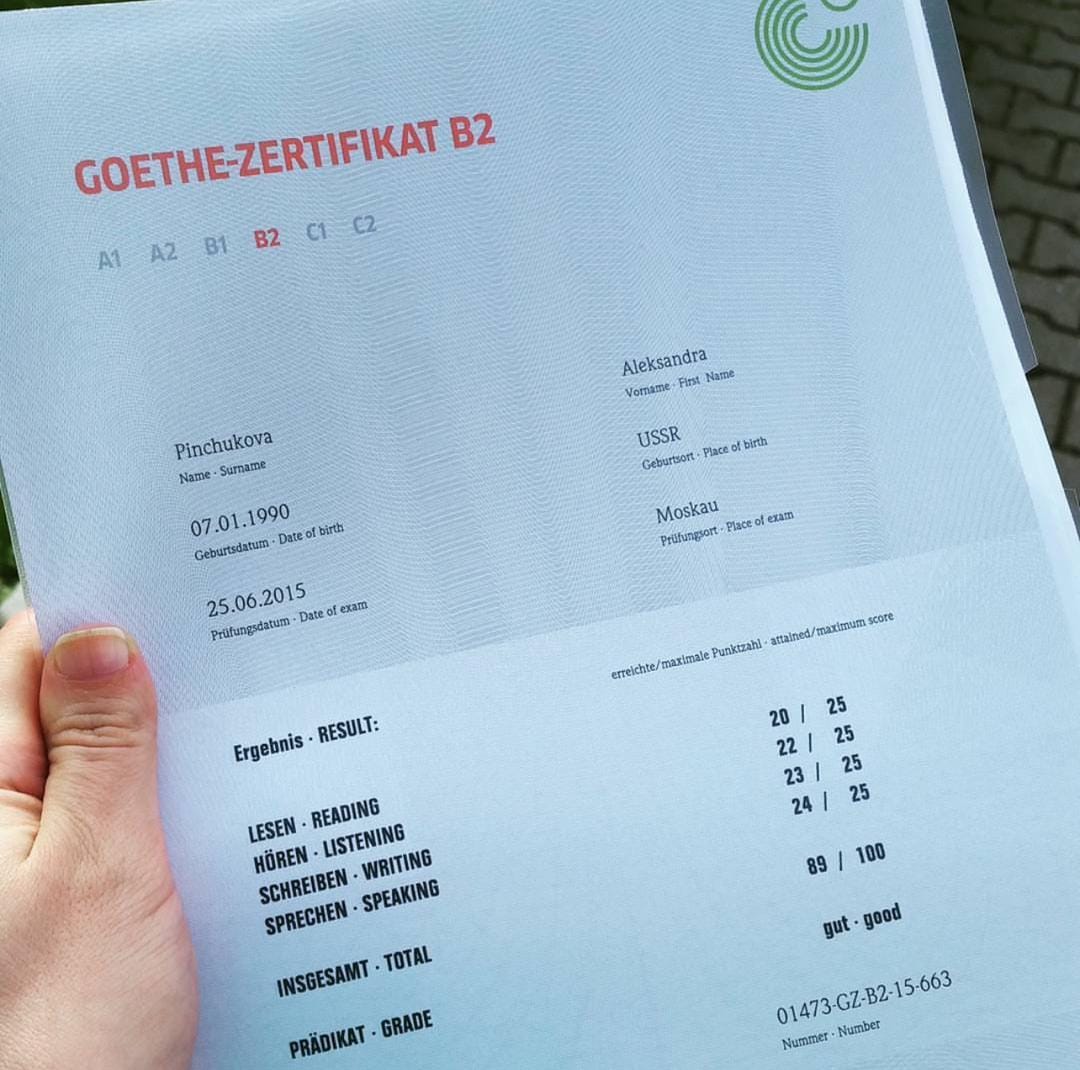
- Duration: Approximately 60 minutes
- Format: Candidates may be asked to compose a letter, an e-mail, or a short essay.
- Goal: To examine the capability to express themselves in writing on familiar subjects.
Speaking (Sprechen):
- Duration: Approximately 15 minutes
- Format: Involves a conversation with an examiner or another candidate.
- Goal: To measure fluency and the capability to communicate efficiently.
Overview of the Examination Structure
| Element | Duration | Format | Objective |
|---|---|---|---|
| Listening Comprehension | ~ 30 minutes | Discussions, reports | Understand main points and particular details |
| Reading Comprehension | ~ 60 minutes | Articles, instructions | Extract pertinent information from texts |
| Writing | ~ 60 minutes | Letter/essay | Express thoughts clearly in writing |
| Speaking | ~ 15 minutes | Conversation | Communicate efficiently and with complete confidence |
Preparation Tips for the B1 Examination
Getting ready for the B1 examination can be an enriching experience. Here are some useful tips:
Enroll in a Language Course: Consider taking a B1 Certificate German language course, either online or in a conventional classroom setting. This assistance will help structure your studies and provide skilled assistance.
Practice Listening Skills: Listen to German podcasts, enjoy German movies, or participate in German-speaking occasions. This will enhance your listening comprehension.
Substantial Reading: Read German books, newspapers, and magazines. This will not just improve vocabulary but likewise help in understanding language structure.
Composing Practice: Keep a journal in German or compose short essays. This exercise will enhance composing skills and grammatical awareness.
Speaking Practice: Join language exchange groups or reverse with native German speakers. This practice is vital for enhancing speaking fluency.
Mock Exams: Take practice tests to acquaint yourself with the test format and timing.
Use Language Apps: Leverage technology to practice German through numerous language apps concentrating on vocabulary and grammar.
Often Asked Questions (FAQs)
1. What is the distinction in between B1 and other efficiency levels?
The CEFR has 6 levels: A1, A2, B1, B2, C1, and C2. A B1 level suggests that a learner can handle everyday scenarios and interact in social contexts. On the other hand, B2 recommends that a learner can comprehend the main points of complicated texts and communicate with some fluency.
2. For how long does it take to get ready for the B1 exam?
Preparation time differs widely. Typically, it might take 200-400 hours of study, depending on the learner's background and direct exposure to the language.
3. Can I take the B1 evaluation online?
Yes, many language institutes deal online test choices. However, it's necessary to inspect the particular requirements as they may vary.
4. How is the B1 Certificate acknowledged?
The B1 Certificate is commonly acknowledged in academia, task markets, and cultural exchanges across German-speaking nations, including Germany, Austria, zertifikat b1 Kaufen and Switzerland.
5. What products are best for B1 preparation?
A combination of books, online resources, language apps, and interactive materials such as podcasts and videos work well for A1 preparation.
The B1 Prüfung Wie Viel Kostet Certificate in German is more than just a linguistic benchmark; it opens doors to various academic and professional chances, boosts social interactions, and lays the groundwork for advanced language skills. By understanding the requirements, advantages, and exam structure, learners can successfully prepare and accomplish success in their language-learning journey. Whether through official courses or self-study, constant practice and a genuine interest in the German language will cause gratifying results.