
The Leading Reasons Why People Perform Well At The Modern Planing Machines Industry
페이지 정보
본문
Modern Planing Machines: Revolutionizing the Woodworking Industry
In the ever-evolving world of woodworking and production, planing machines have become essential tools, simplifying the process of shaping and finishing wood. Modern planing machines, equipped with innovative technology, have actually considerably enhanced efficiency, accuracy, and flexibility compared to their conventional equivalents. This blog site post looks into the kinds of planing machines, their key functions, applications, and the advantages they give the woodworking industry.
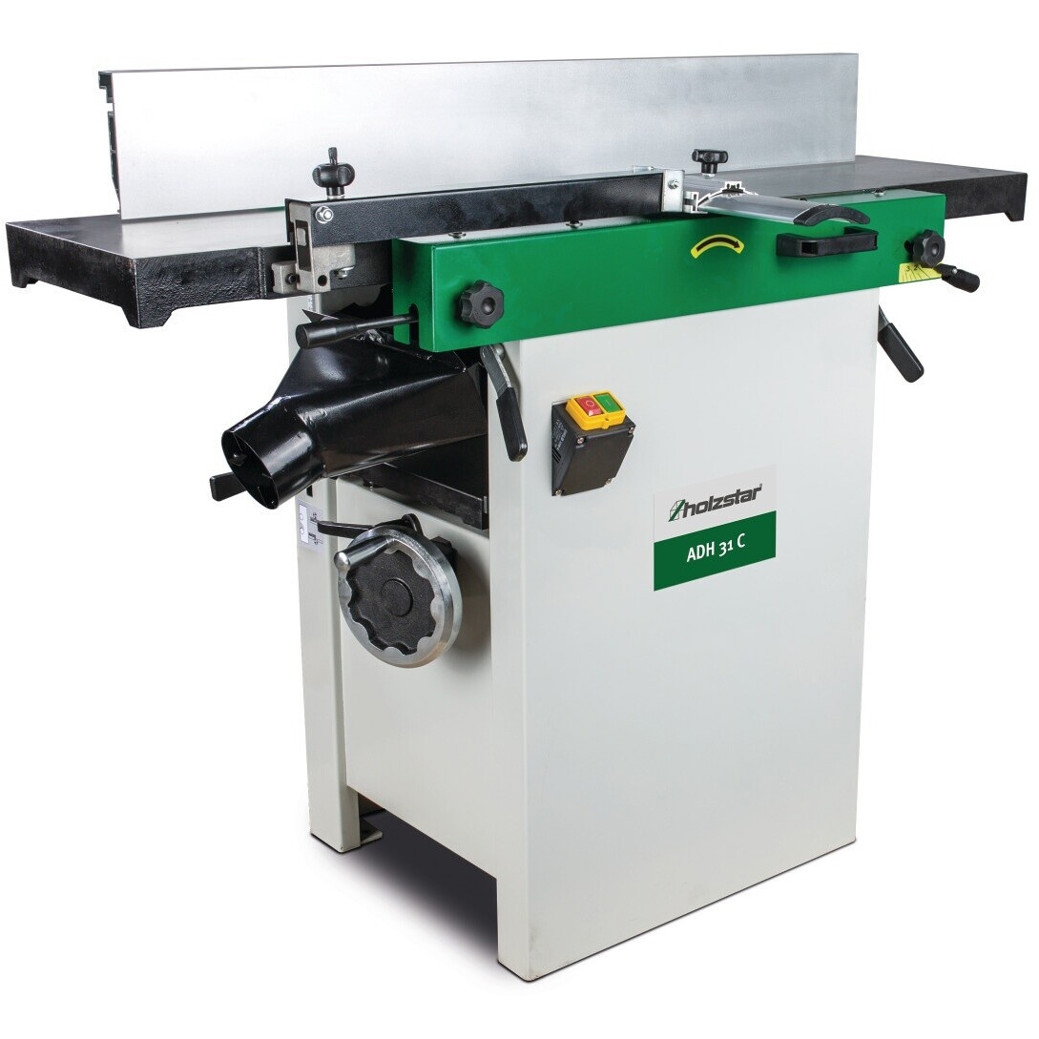
What is a Planing Machine?
A planing maker is a woodworking tool designed to cut, flatten, and smooth the surface areas of wood boards. Traditional planing machines have been changed or complemented by modern versions that integrate digital controls, advanced materials, and precision engineering. These machines are essential for producing high-quality wood products, from furniture to cabinetry and beyond.
Types of Modern Planing Machines
Modern planing machines can be classified into several types based on their style and particular use-cases. The following table lays out the primary types of planing machines:
| Type of Planing Machine | Description | Typical Uses |
|---|---|---|
| Surface area Planer | A machine designed to create a flat surface area on wood by getting rid of product from one side. | Flattening boards, developing a smooth surface. |
| Thickness Planer | Utilized to minimize the thickness of wood to an uniform size and smooth the surface area. | Preparing wood for carpentry and furniture making. |
| Planer-Moulder | Integrates the functions of a planer and a moulder, offering the capability to form wood also. | Producing profile shapes and complicated moldings. |
| CNC Planer | A computer-controlled planner that permits elaborate shaping and dimensional accuracy. | Customized furniture, architectural woodwork, and detailed styles. |
Secret Features of Modern Planing Machines
Modern planing machines boast different features that enhance their efficiency and user-friendliness. Here are a few of the key functions that set them apart:
Digital Controls: Many planing machines now come geared up with digital interfaces that permit for exact adjustments and settings, causing enhanced precision and repeatability.
High-Speed Cutters: The implementation of high-speed cutter heads significantly minimizes processing times while making sure cleaner cuts and finishes.
Feed Speed Control: Users can adjust the feed speed based on the wood type and density, offering flexibility and much better results.
Dust Extraction Systems: Modern machines frequently consist of integrated dust extraction to guarantee a cleaner working environment and to improve air quality.
Automatic Features: Several machines feature automation, such as auto-feeding and responsive controls, making them simpler to operate and less labor-intensive.
Applications of Modern Planing Machines
The versatility of modern planing machines has stimulated their adoption throughout different markets. Some of the primary applications include:
- Furniture Manufacturing: Producing smooth and exactly shaped wood elements for chairs, tables, and cabinets.
- Building and construction: Smoothing and forming lumber for use in constructing structures and structures.
- Millwork: Crafting custom moldings, trims, and architectural information for exterior and interior surfaces.
- Wood Products: Manufacturing items like flooring, paneling, and other engineered wood products.
Benefits of Using Modern Planing Machines
The adoption of modern planing machines presents various advantages for woodworkers and producers alike. Here are some essential advantages:
- Increased Efficiency: High throughput and faster processing times lower production time substantially.
- Boosted Precision: Advances in innovation enable for greater precision, decreasing waste and ensuring high-quality outcomes.
- Flexibility: Modern machines can handle numerous wood types and sizes, using greater flexibility in production abilities.
- Improved Safety: Many contemporary models are designed with security functions, lowering the risk of accidents in the workshop.
Upkeep and Care for Planing Machines
Routine upkeep is vital for ensuring that planing machines stay in optimal condition. Here are necessary maintenance pointers:
- Regular Cleaning: Keep the machine tidy to avoid the buildup of wood chips and dust that can hinder function.
- Inspect and Replace Blades: Dull blades can lead to subpar outcomes; routine inspection and prompt replacement are important.
- Lubrication: Lubricate moving parts as per the manufacturer's directions to prevent wear and tear.
- Examine Electrical Systems: Ensure that all electrical components and connections are operating properly to avoid breakdowns.
Regularly Asked Questions (FAQ)
Q1: What products can modern planing machines work with?Modern planing machines aremostly developed for wood, however some innovative machines can also manage composite materials and particular soft metals. Q2: How do I choose the right planing device
for my needs?Consider your specific applications, the kinds of wood you will be using, the needed thickness, and whether you need functions like digital controls or automatic functions. Q3: What security preventative measures ought to I take when using a planing machine?Always use suitable personal protective equipment(
PPE ), guarantee all guards are in location, and familiarize yourself with the maker
's operation before use. Q4: Can I utilize a planing machine for completing work?Yes, planing machines can offer a smooth finish, Hobelmaschinen-Typen, https://www.nicolettedemiter.top/technology/mastering-precision-unleashing-the-power-of-The-Maschinen-Einhandhobel/, but finer sanding or additional ending up strategies may still be essential
for optimal smoothness. Q5: What is the distinction in between a surface area planer and a density planer?A surface area planer flattens one side of the wood, while a density planer makes sure the wood is consistently thick by processing both sides.
The development of modern planing machines has changed the woodworking landscape. By usingimproved precision, speed, and versatility, these machines deal with the diverse needs of manufacturers today.
As the industry continues to innovate, the combination of digital technologies and automation will provide even higher possibilities for craftsmanship, making sure that planing machines stay at the leading edge of woodworking ventures for many years to come. Whether for a small workshop or a massive production center, modern planing machines are important for achieving woodworking quality.